Hazardous Spill Cleanup: Tips, Benefits and Prevention
Knowing how to clean up chemical spills in the workplace is valuable knowledge. Chemical and high-hazard spills can quickly escalate into dangerous and destructive situations. This guide covers the definition of an emergency spill and the protocols that must be followed during hazardous spill cleanup.
Why Are Chemical Spills So Dangerous?
Chemical spills are dangerous for a few main reasons. There are a few immediate, severe concerns that arise during a chemical spill:
- Human health risks (potential chemical burns, respiratory concerns and cancer risk)
- Fire and explosion hazards caused by intermixing chemicals, solvents and fumes
- Damage to the surrounding environment
- Regulatory, legal and reputational risks
- Slips, trips, hazards and injuries to surrounding people
If you or someone you know has experienced a chemical spill, contact a professional immediately. Regardless of what the chemical is, how much of it was spilled and how long it's been there, chemical spills can cause severe and irreversible damage to both people and the environment if not contained.
What are the Benefits of Cleaning a Chemical Spill Immediately?
When a chemical spill happens, contact a professional response team as soon as possible. Never attempt to clean up chemicals by yourself — only those trained in OSHA's Hazardous Waste Operations and Emergency Response are qualified and know how to clean a chemical spill.
Contacting an expert means you get:
- Reduced health and safety risk: Professionals will identify the chemical, take the right precautions and clean up the spill promptly and correctly.
- Prevention of fires and electric disasters: With the chemical spills contained and secured, fire and electric hazard risks are less severe.
- Rapid, secure risk containment: When you partner with a professional like Chem Klean Corp, you receive rapid and secure risk containment for immediate relief.
- Regulatory compliance and documentation: Working with an expert chemical spill clean up company gives you more confidence in compliance.
What Are the Three C's of a Chemical Spill?
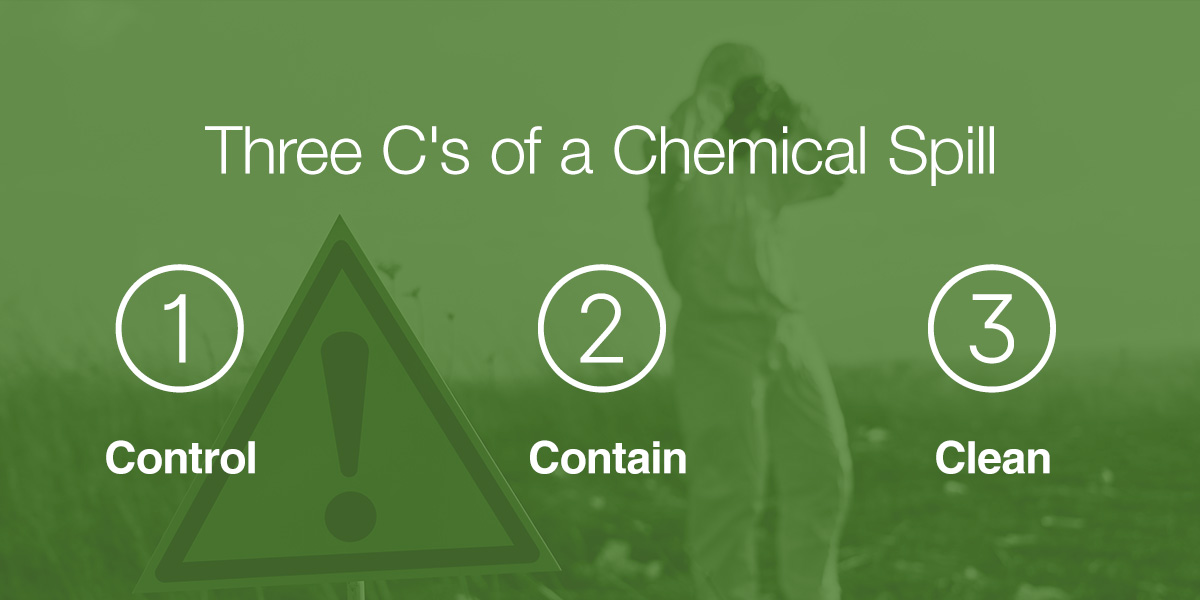
The "three C's" outline how you should respond during an emergency spill. They detail hazardous spill cleanup instructions and how to respond to a chemical spill. Here's a breakdown of the three C's of a chemical spill.
1. Control the Spill
The first step when cleaning up a chemical spill is to wear the proper personal protective equipment (PPE). When selecting the PPE required for cleaning, consult the spilled chemical's safety data sheet (SDS), the PPE manufacturer's literature or the chemical manufacturer's literature. If you're not sure what the spilled chemical is, select the highest level of protection possible.
The sooner you act to control the spill, the less damage it is likely to cause. To respond quickly, you need to understand the spill procedures that need to be followed. Following spill procedures can make a significant difference in preventing further damage and harm to others.
You might be able to stop minor spills, such as small leaks from one-gallon containers. However, if you need assistance for a larger spill, follow these steps:
- Report the situation: You must immediately cease your current activity when the spill occurs. You must alert personnel and evacuate the area as soon as possible.
- Call for emergency services: If the spill is emitting toxic vapors, has caused a fire or an explosion, is extremely large, or poses a hazard to the occupants of the building, pull the fire alarm and call 911.
- Block entrances: Restrict access to the building during the emergency until the emergency services have cleared it.
2. Contain the Spill
The leak must also be contained. Confining the spill or hazardous material to the smallest area possible is vital. Use absorbent materials to prevent the spreading of liquids. Materials like clay, pet litter and fine sand are most effective. Sawdust and materials the liquid can seep through should be avoided. If the spilled liquid is a strong oxidizer, mixing it with such materials can create a fire hazard.
You can also use a spill kit. Spill kits are packed in porous fabric pillows and contain contain non-selective, universal sorbents. You can place the pillows on top of the spill to prevent the liquid from spreading. The pillows absorb the waste material and are an easy solution for containing a spill without risking drips or seepage.
When the spilled product is a powder, dust or granular material, it is recommended to create a light mist in the area. You may also cover the spilled material using a plastic container or cover. The plastic container must be thrown away afterward, as the spilled material will contaminate it.
Additionally, the spilled material mustn't go down drains, no matter how small the amount. Keep the material away from storm drains, sinks and pipes that lead to the sewers or water lines.
3. Clean the Spill
If the spill has yet to be contained and has spread over a larger area, it must be swept into a steel fiber drum lined with a heavy-duty bag. Add absorbent materials to the spilled area until all the liquid in the area has been absorbed.
After the spill has been cleaned up, the area needs to be decontaminated. In extreme cases, the area may need to be neutralized. A solution comprised of water and regular household bleach will suffice. The solution should be 30% bleach for best results. Use a coarse broom to cover the contaminated area. Then, add more absorbent material to the area. Repeat this process until the area has been completely decontaminated.
Dispose of all hazardous waste generated from the cleanup, including all contaminated cleaning equipment. Ensure your disposal methods are in strict accordance with Resource Conservation and Recovery Act Laws, and make sure to follow chemical spill cleanup procedures at all times.
What is the Importance of Hazardous Waste Regulations?
Like most commercial and industrial practices, chemical spills come with a long list of regulations and documentation. When chemical spills happen, it's essential to comply to avoid any costly damages or reputation risks. A few main points to keep in mind are the thresholds and timelines, how and when to notify authorities, how to create compliance-ready reports, and paperwork.
How to Prevent Future Chemical Spills
These are some tips and insights that will help prevent potential chemical spills:
- Understand the risks: By knowing what types of chemical spills are likely to occur, you will know how to react to and prevent them.
- Inspections: Routinely inspect chemical containers for damage, leaks or signs of deterioration.
- Proper storage: Keeping chemicals in the right conditions and storing them in an appropriate location is critical.
- Isolation: Avoid overcrowding in chemical storage areas. Overcrowding can result in accidental spills or damaged containers.
Trust Chem Klean Corp for Hazardous Waste Spill Cleanup
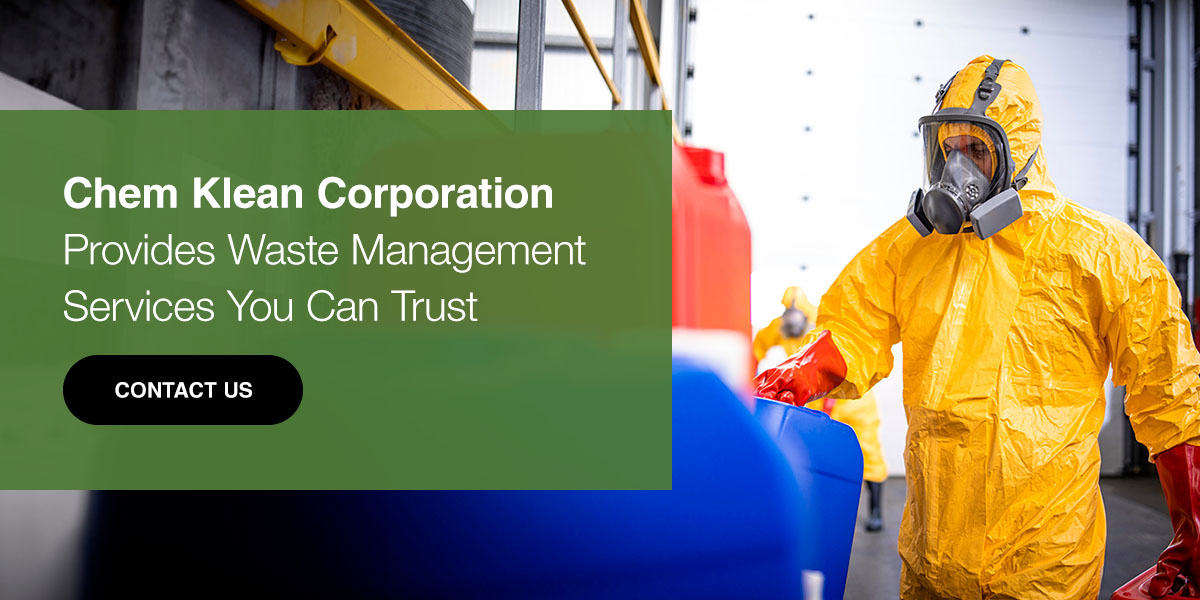
Finding a team of expert chemists who can help you dispose of hazardous waste and manage dangerous spills in your lab is critical. Waste management rules and laws are complex and need to be strictly followed — that's why it's an absolute necessity for a lab to work with a waste management company that knows how to clean a chemical spill.
Chem Klean Corporation offers a wide range of products and services, including emergency response services, that make waste management issues a thing of the past. We have over 20 years of industry experience and knowledge that inform the way we work. Our offerings are of the highest quality, and we take pride in our abilities.
Contact us today to learn more about our hazardous waste emergency response services.