
How to Conduct a Hazardous Waste Audit
Conducting a hazardous waste audit is one of the most effective ways to keep your team safe and protect your facility from damage or any other risks that can come with improper waste management.
To ensure your results are comprehensive and reliable, it's important to know how to conduct a hazardous waste audit. While the best policy is to request a site audit and assessment from a professional in the industry, the following steps will help you identify problem areas in your current process.
5 Steps for Conducting a Hazardous Waste Audit
Site audits can be complex, requiring in-depth examinations and plenty of detail. However, the process can be broken down into these five steps.
1. Plan and Prepare
The first step is to plan your site waste audit and assessment, which requires defining the scope of the audit and setting its goals. Once you have this, you can start your preparations, which will include gathering key information, forming your audit team, and finding an expert consultant if you wish.
2. Identify Your Current Hazardous Waste
Next, identify every type of hazardous waste that your facility produces and how it's generated. Hazardous waste is typically produced through manufacturing processes and facility cleaning and maintenance.
For each type of hazardous material, make a note of its quantity and characteristics. This step is vital, as mistakes can lead to ineffective waste management. A professional can ensure that this step is carried out accurately.
3. Evaluate Risks Associated With Your Production
List all the risks associated with each of the hazardous wastes produced by your facility. These risks could include spills, exposures and other accidents.
Your risk assessment could look at the broader impact of improper hazardous waste management, such as pollution of the local waterways and any fines you might incur.
4. Analyze the Effectiveness of Your Waste Management Practices
Once you've identified the risks, you can now analyze how well your current waste management practices mitigate them. Examine how you store, handle, transport and dispose of each type of hazardous waste that your facility produces.
Check whether your practices are fully compliant with all hazardous waste regulations too. If you're unsure about how to meet different regulations, a waste management disposal expert will be able to help.
5. Make Recommendations and Take Action
After identifying where your waste management practices aren't effectively mitigating risk or complying with regulations, consider what improvements and changes you need to make. These may include:
- Introducing waste generation reduction methods.
- Implementing safer operating procedures.
- Purchasing new and improved safety equipment and PPE.
- Training employees on safe hazardous waste handling and disposal.
- Scheduling regular hazardous waste assessments to quickly identify and mitigate any future risks.
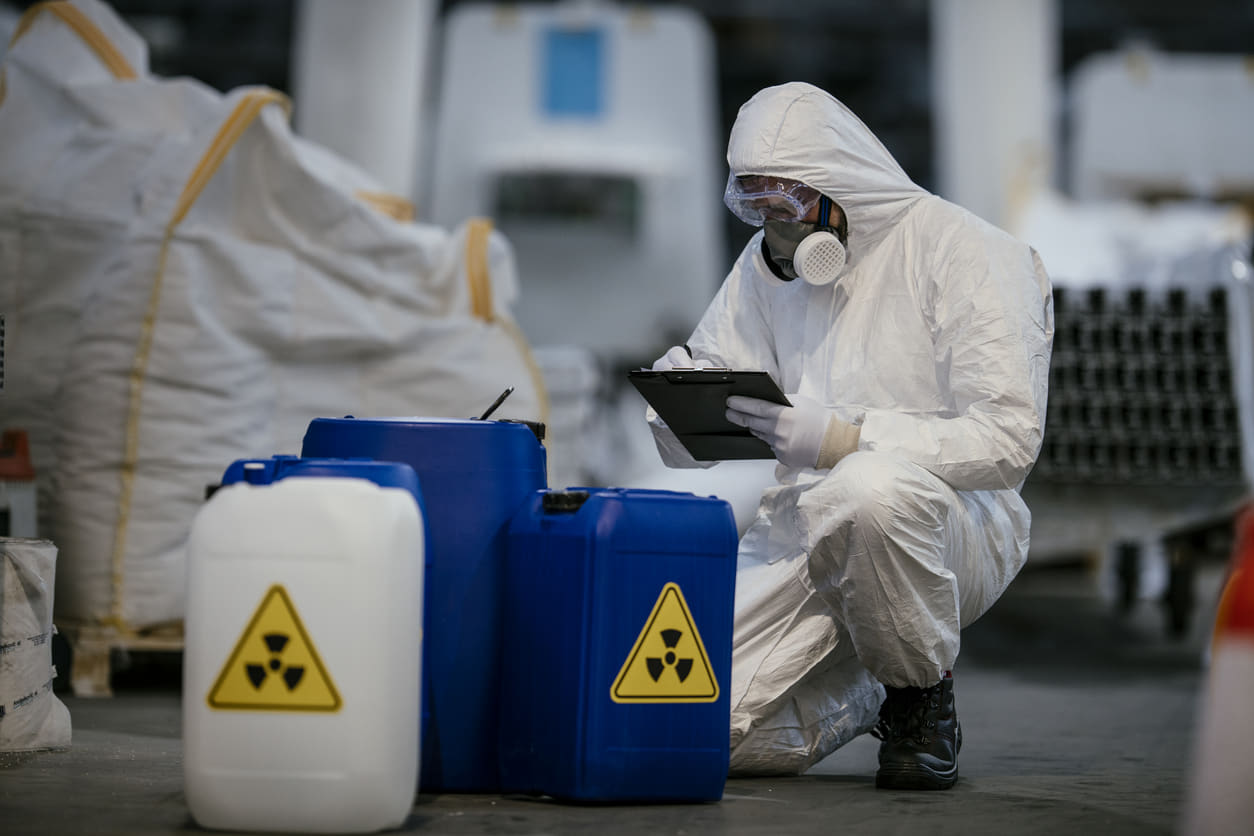
Why Choose Chem Klean's Hazardous Waste Audits
Chem Klean Corporation is regularly trusted to carry out hazardous waste audits for businesses across Florida. Our team offers:
- Compliance expertise: We know what's required to comply with all local, state and federal regulations.
- Industry knowledge: From manufacturing and industrial to education and dry cleaners, we serve many industries.
- Flexible services: We can carry out our audit and other services at a time that suits your business schedule.
Hazardous Waste Audits You Can Trust
Carrying out a hazardous waste audit can help you reduce the risks that improper hazardous waste management can pose. When that audit is carried out by a professional waste disposal company with over two decades of experience, you can trust that the results are comprehensive, accurate and actionable.
To find out more about how we can audit your facility's hazardous waste production and handling practices, get in touch with us today.